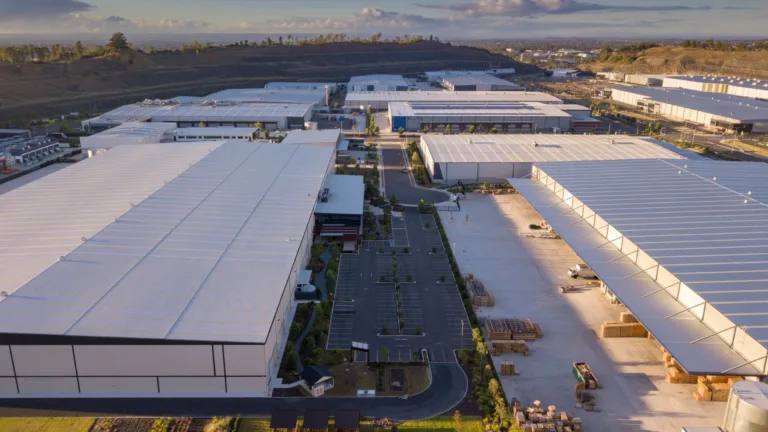
Height safety and purchasing commercial or industrial buildings
When considering purchasing an existing commercial or industrial building, ensuring it comes with a compliant height safety system is an important part of due diligence.

When considering purchasing an existing commercial or industrial building, ensuring it comes with a compliant height safety system is an important part of due diligence.
There are many reasons why a building may not have a compliant safe access or fall protection system. Here are the most common five our team see.
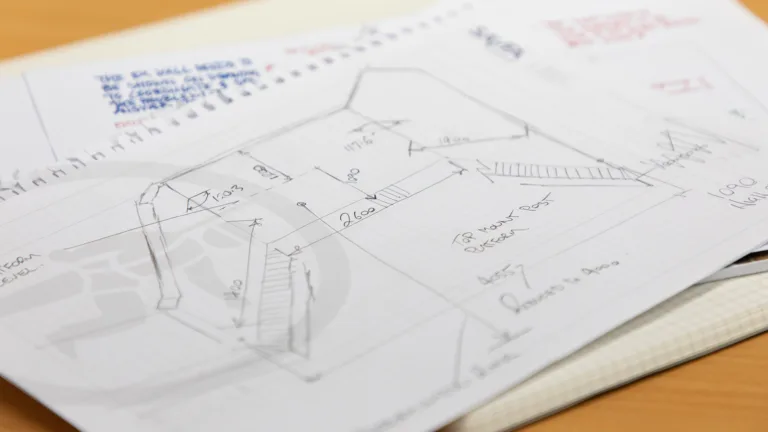
Roof access is generally a part of every commercial and industrial building’s design, but in many cases that access is not compliant with fall protection standards.
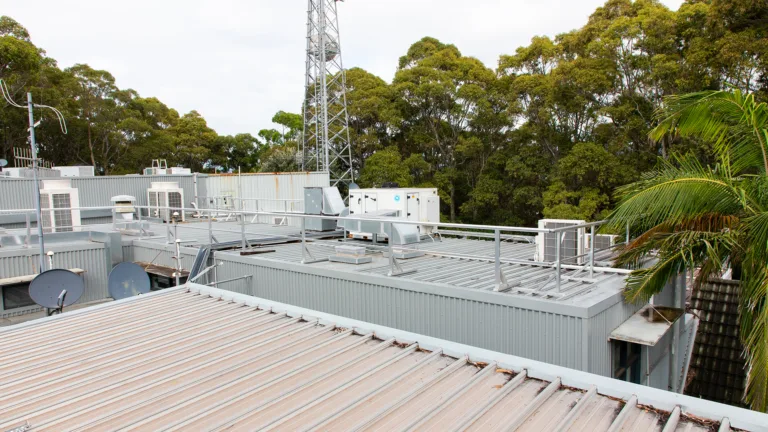
Height Safety Engineers were engaged to provide safe access and fall protection systems for a building contained within a television and radio broadcast facility.
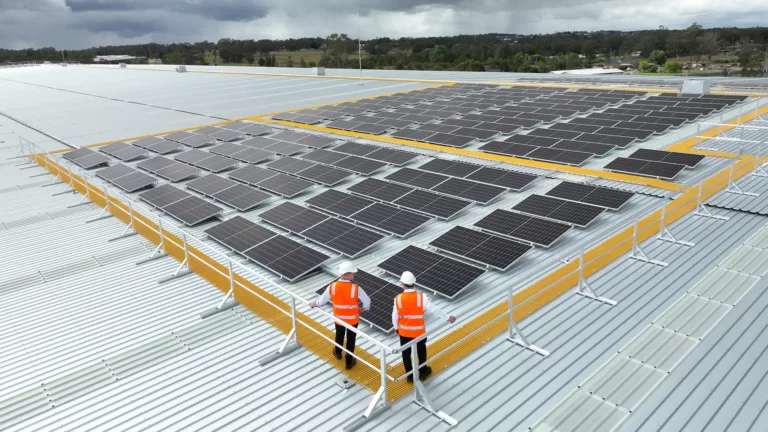
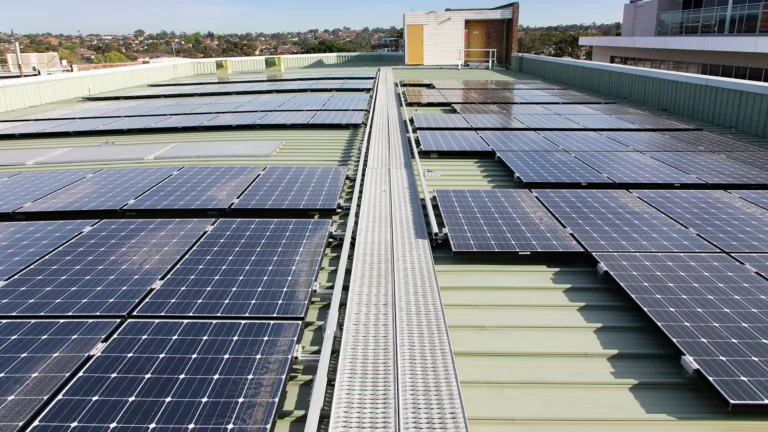
Height Safety Engineers completed the design and installation of walkway and access systems to the solar array on the roof of a warehouse.
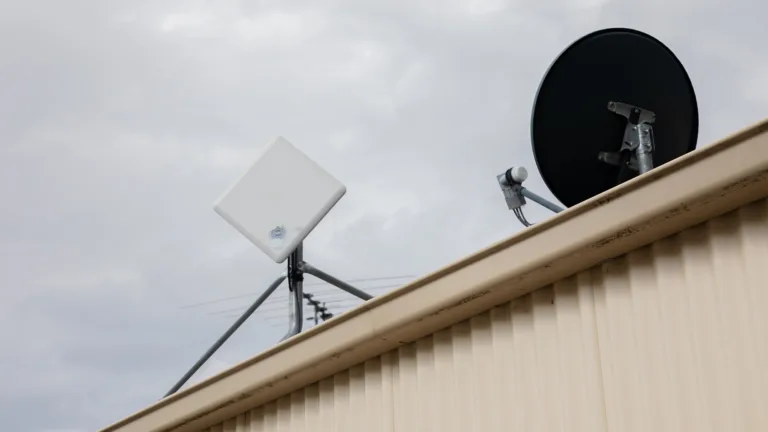
Undertaking work at height is just as dangerous at home as it is at the job site.
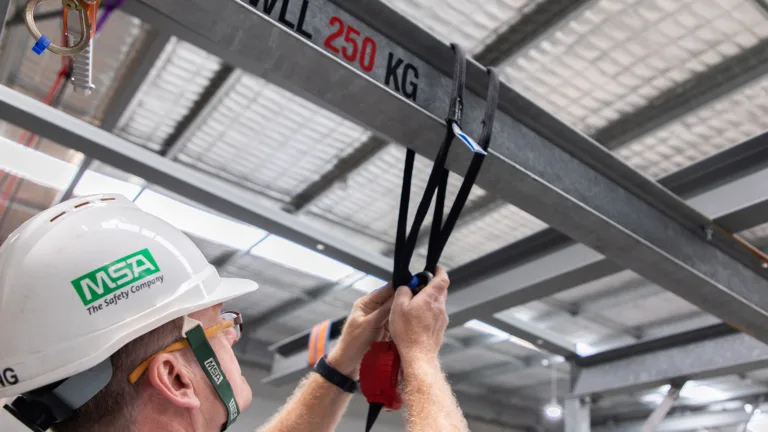
Temporary anchorages can be found just about everywhere. But you must know what to look for when choosing something as an anchorage.
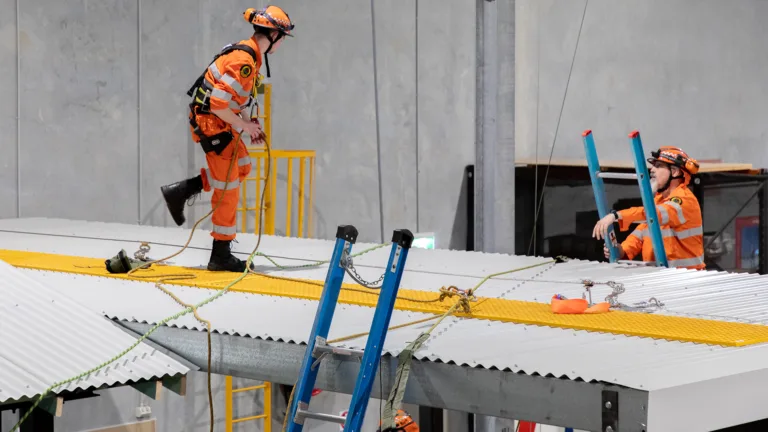
There are many situations where a temporary fall protection or safe access system may be needed. In this guide, our experts work through a selection of the most common options available.
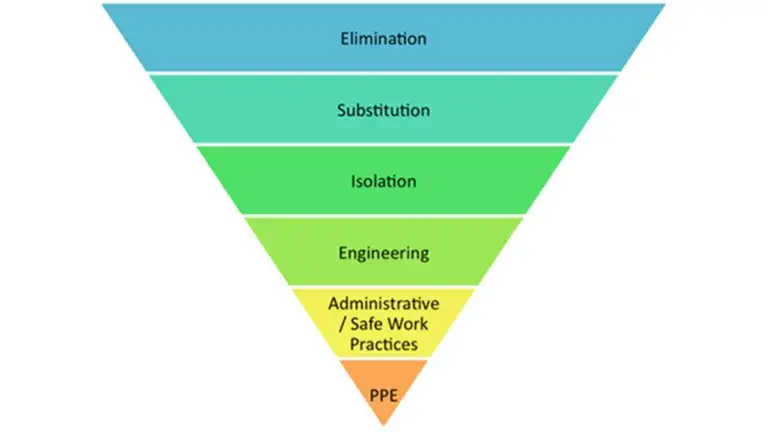
When developing methods of protecting workers from the hazards that exist on a work site, the hierarchy of control is the standard tool used to find the most effective method.
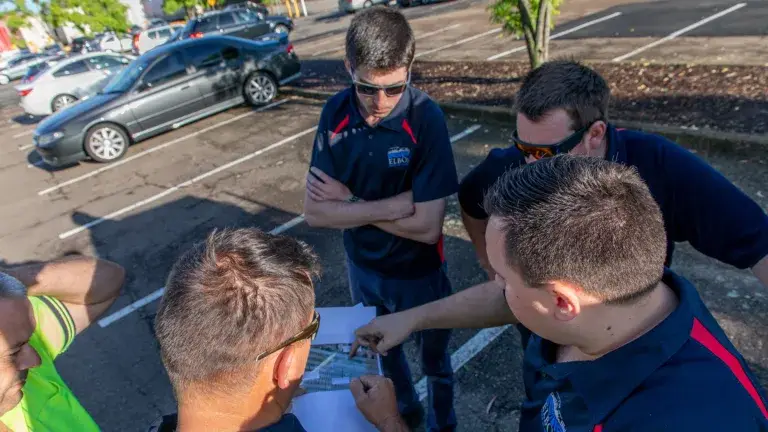
Risk assessments are a core tool of creating safe workplaces and implementing safe work methods.